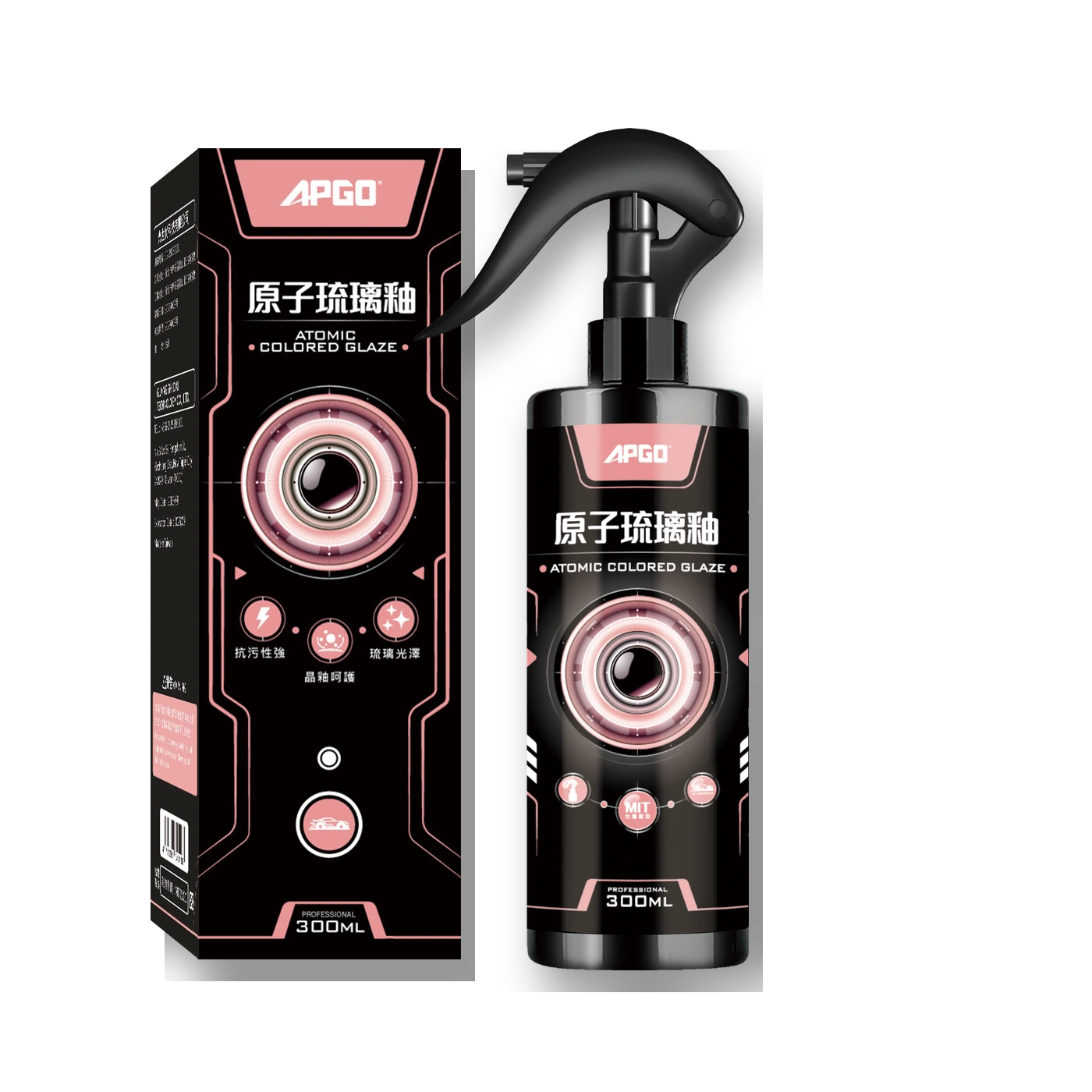
Atomic Colored Glaze is APGO's dry-surface finish. You use it after the car has been washed and completely dried, as its own step. The routine stays simple—spray a small area, spread it, buff—but a few details make the difference between a clean, even result and a hazy one. This guide covers all of them.
1. The one rule: less is more
Colored Glaze is meant to go on thin and even. Spraying more doesn't make it work better—it makes it harder to spread and buff. If you see a white haze forming as you work, that's the sign you've used too much on that area.
2. What you need
- APGO Atomic Colored Glaze, 300 mL / 10.1 fl oz
- Coating cloth — for spreading the product evenly
- Coral-fleece towel — for buffing after spreading
- A clean drying towel suitable for car paint, to dry the whole car after washing (this is separate from the buffing towel)
- Your usual car-wash supplies
- A shaded spot, and paint that's cool to the touch
3. Before you start
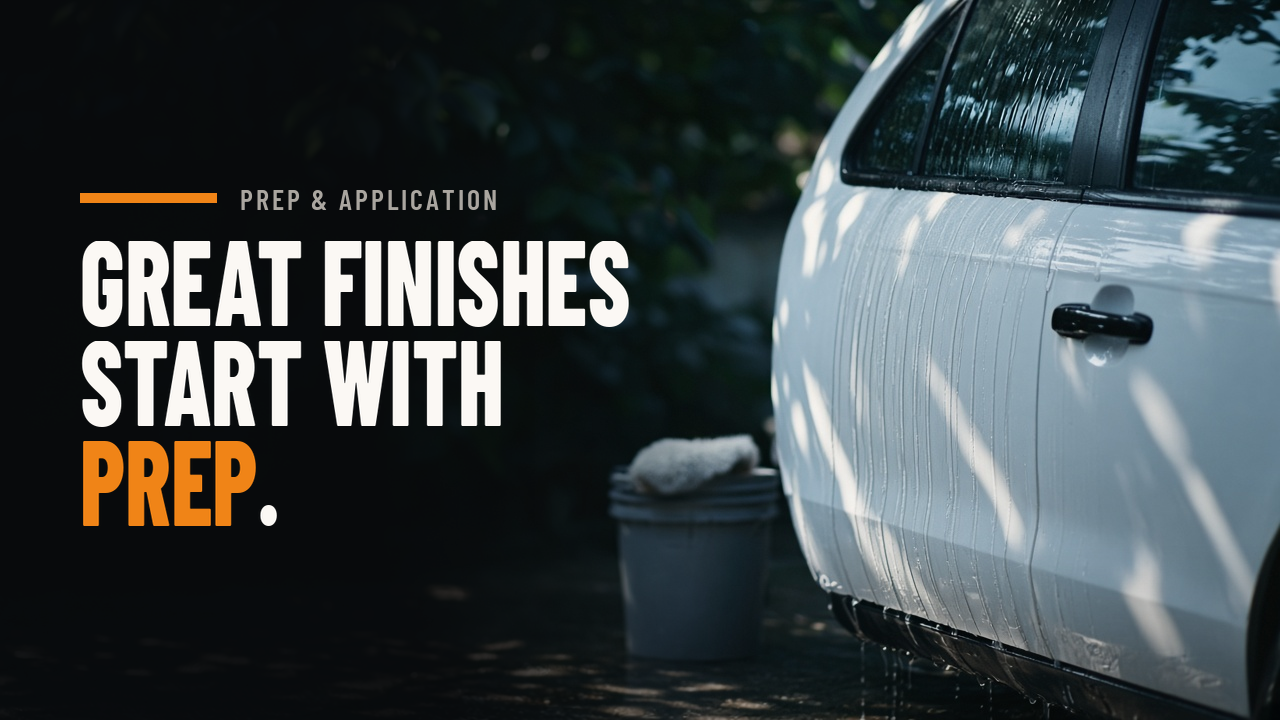
Wash first, then dry completely. Check the paint for leftover grit, sand, or dust before you touch it with a cloth—anything left on the surface can be dragged across the paint while you spread or buff, and that's what causes fine scratches and swirl marks. Keep your application cloth and buffing towel clean for the same reason.
Skip it if there's wax on the paint. We don't recommend applying Colored Glaze over a car that still has a layer of wax.
Work in the shade, out of direct sun, on paint that's cool to the touch.
4. Where you can use it
Atomic Colored Glaze can be used on paint, wraps, glass, and wheels.
5. The routine: spray, spread, buff
Work the car one small section at a time: spray that section lightly, spread it, then move to the next. You can buff each section right after spreading, or—if you'd rather move faster—spread the whole car section by section and buff everything at the end.
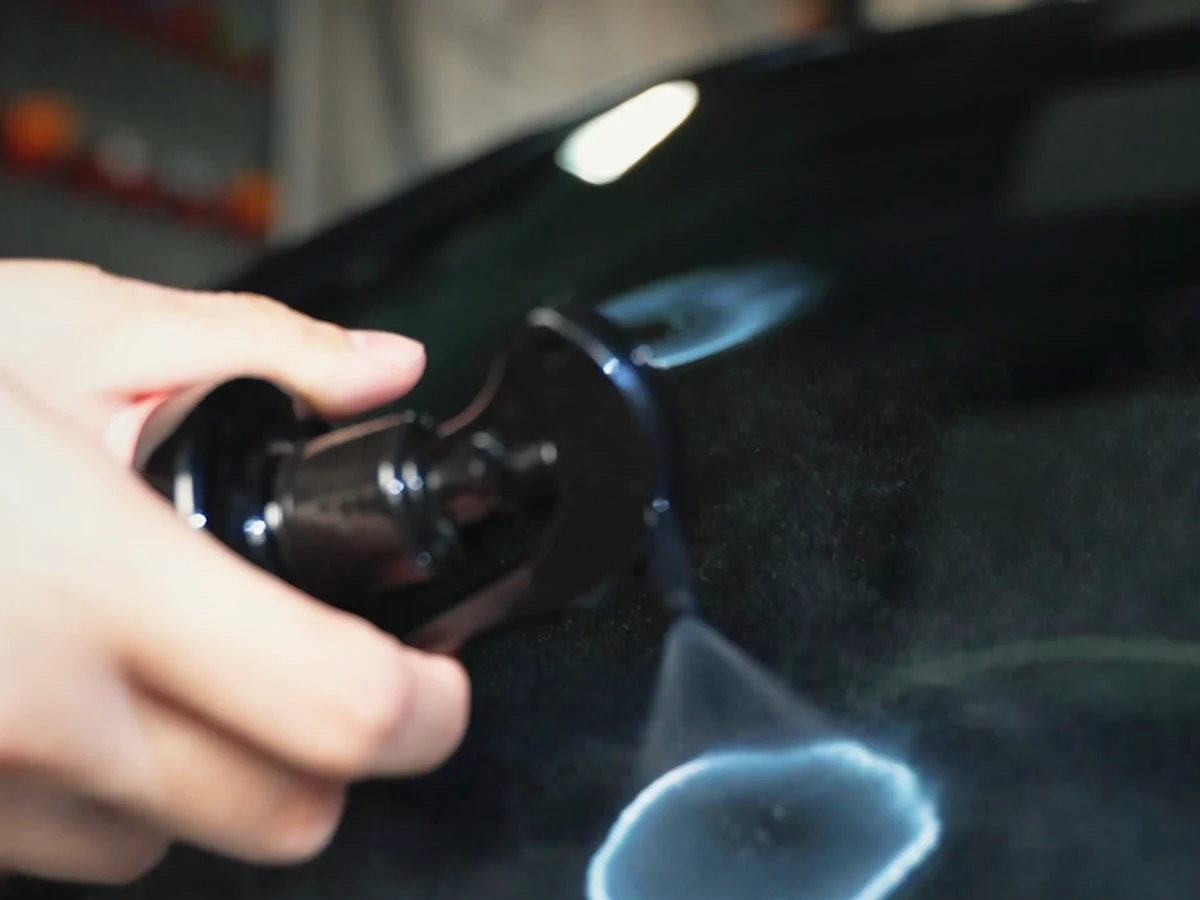
A light mist over one small section. As a reference, 4–6 sprays is enough for a sedan's entire hood, so a door or fender needs less. If a white haze appears while you work, you've sprayed too much on that spot.
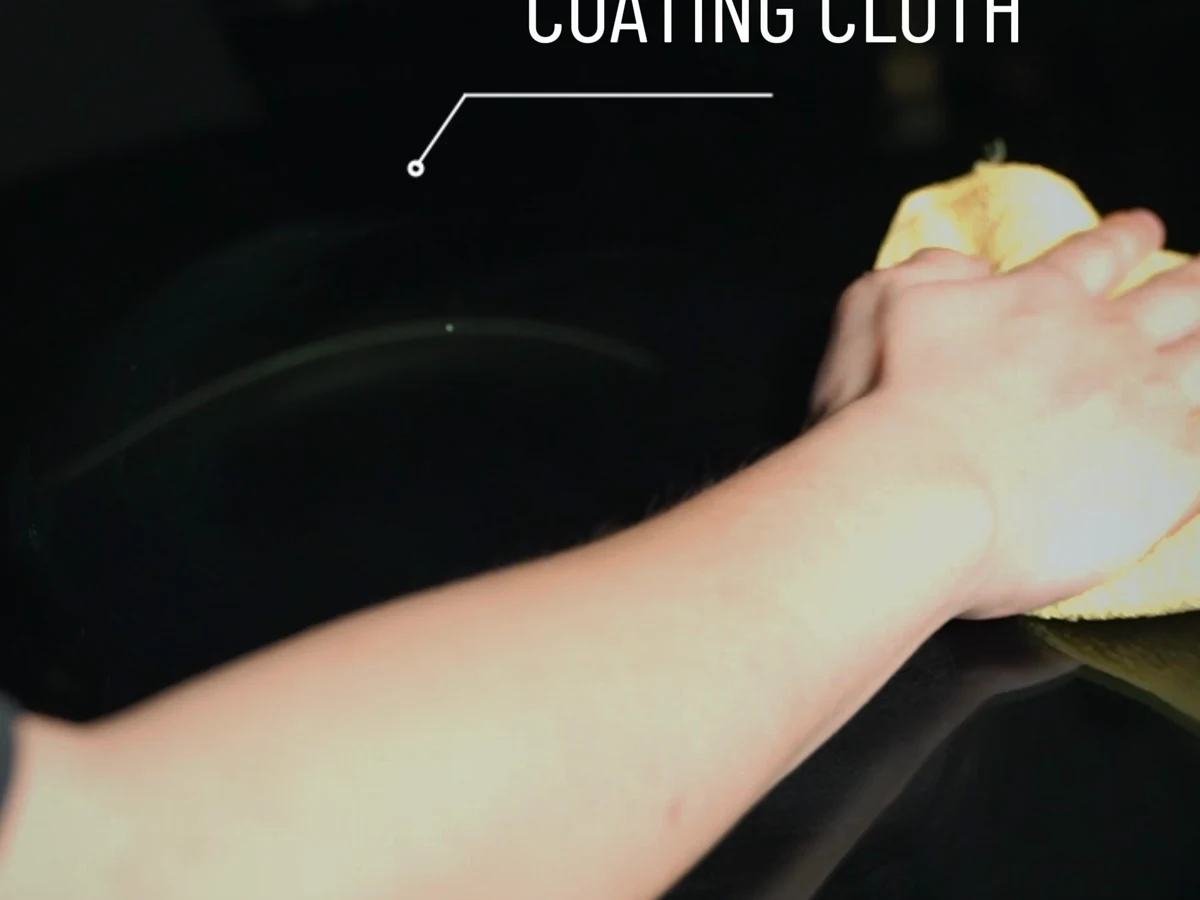
Spread it evenly across that section with the coating cloth. Then spray the next section and repeat, working your way around the car.
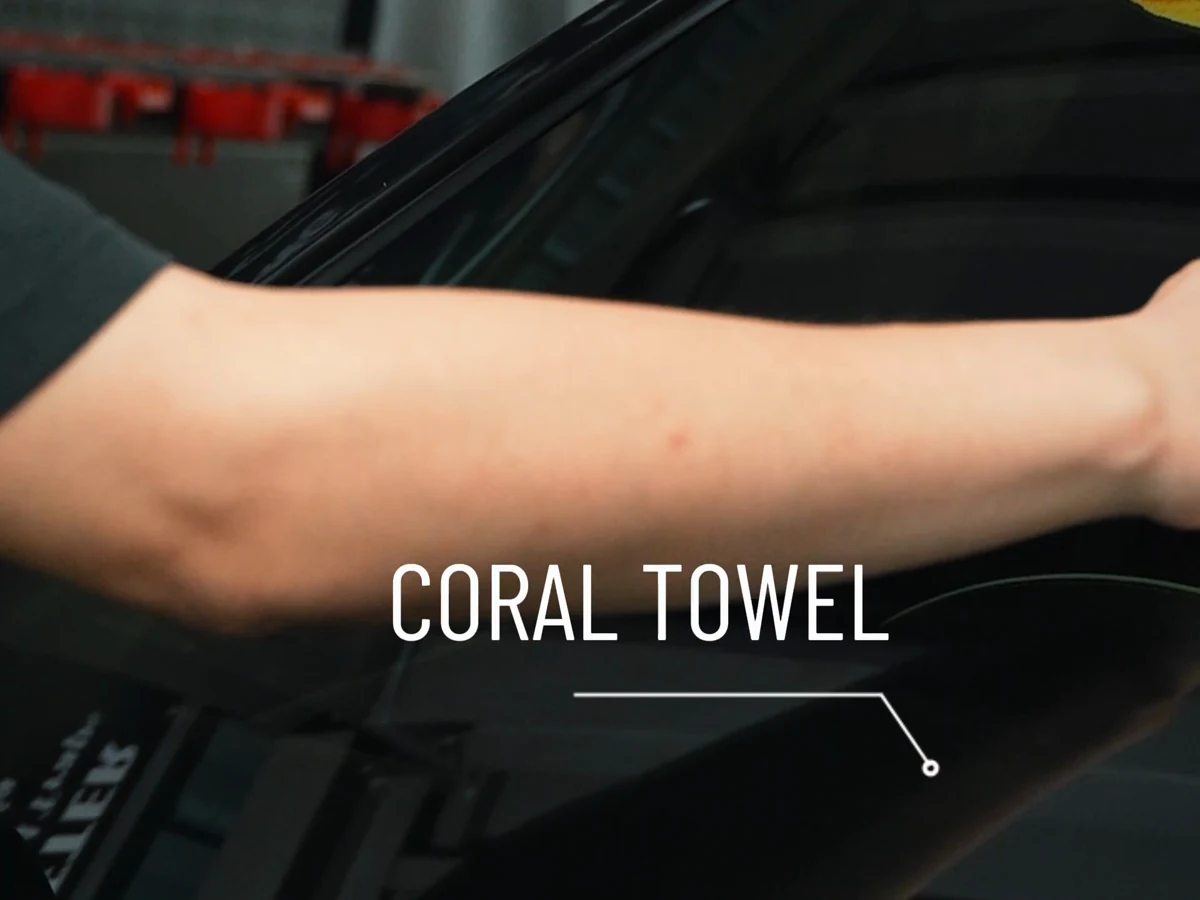
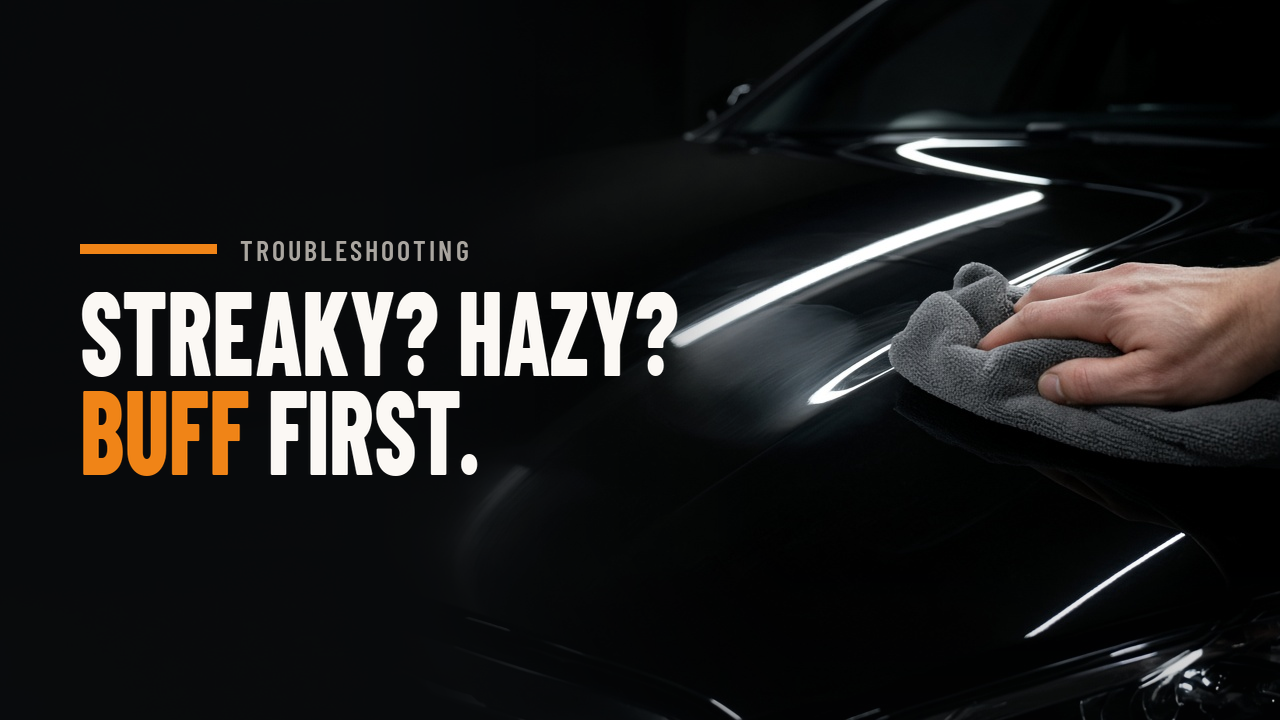
Buff with a clean, dry towel until the surface is clear. Do it section by section, or once the whole car has been spread—either works. Don't leave it unbuffed for extended periods or until the next day.
6. The first 24 hours
For the best result, keep the car dry for 24 hours after you finish buffing—no washing, and ideally no rain.
If it does rain in that window, don't panic. In our own experience, a rain shower in the first day usually doesn't leave a visible difference in how the finish looks. There's no need to redo anything right away—just wait for your next wash, dry the car completely, and apply another thin layer then.
7. Using it again after each wash
Colored Glaze can be part of your regular wash routine. Any time you've washed, cleaned, and fully dried the car, you can apply another thin layer as upkeep. You don't have to reapply at every wash—it's an option, not a requirement—and a thicker coat in one session isn't better than a thin one.
8. Common mistakes
- Spraying too much
- The most common one. A white haze while you work means too much product on that area. Remember the reference: 4–6 sprays for an entire sedan hood. Go lighter on the next section.
- Spraying the whole car before spreading
- Spray and spread one small section at a time. Buffing can wait until the end; spreading can't.
- Starting on paint that isn't fully clean and dry
- Leftover grit gets dragged across the paint and can leave fine scratches. Water thins the product as you spread.
- Applying over wax
- Not recommended. Start with paint that's free of wax.
- Working in the sun on a hot panel
- Shade and cool paint make the routine easy and even.
9. Prefer to apply while wet?
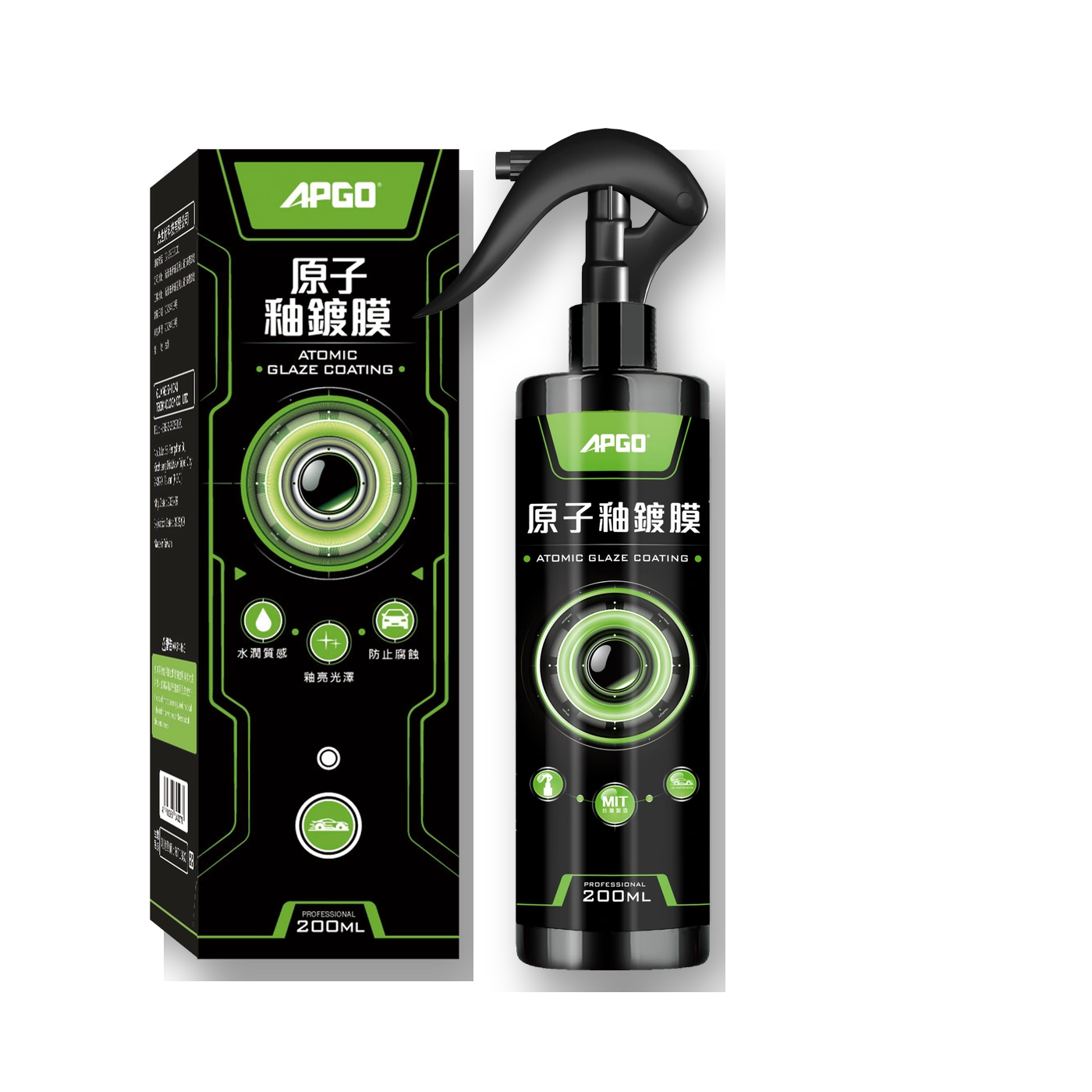
If you'd rather not add a separate step after drying, APGO also makes a wet-surface product—Atomic Glaze Coating (D215). It has its own routine and its own guide; the instructions on this page are for Colored Glaze only.
WETHow to apply APGO Atomic Glaze CoatingGuide · 5 min read10. FAQ
Can I apply it if the car is still a little damp?
No. Colored Glaze is for completely dry paint. Finish drying the whole car first. If you'd rather work on wet paint, that's what Atomic Glaze Coating is for.
How do I know if I've sprayed too much?
A white haze on the section you're working is the tell. It means too much product on that spot—not a stronger result. For scale: 4–6 sprays covers a sedan's whole hood. Use a lighter mist on the next section.
Do I have to wait before buffing?
No waiting period is needed. You can buff right after spreading a section.
Can I spread the whole car first and buff everything at the end?
Yes—that's how we'd do it to save time. Spray and spread one small section at a time until the car is done, then buff it all. Just don't spray the entire car before you start spreading, and don't leave it unbuffed until the next day.
How long should I keep the car dry afterward?
For the best result, avoid water—washing or rain—for 24 hours after you finish.
What if it rains within the first 24 hours?
In our experience it usually doesn't leave a visible difference. You don't need to redo it right away. At your next wash, clean and fully dry the car, then apply another thin layer.
Can I use it again after every wash?
Yes. Once the car is washed and fully dried, you can apply another thin layer as upkeep. It's optional, not required at every wash.
Can I apply it over wax?
We don't recommend it. Start with paint that has no wax on it.
Where on the car can I use it?
On paint, wraps, glass, and wheels. On the front windshield, remove any oil film first. For trim or any other surface, check the current label or contact APGO.
This guide is written by APGO about an APGO product. Use only as directed and follow the current product label. Product details, availability, and ordering will be shown on the product page when the product is available in the US.