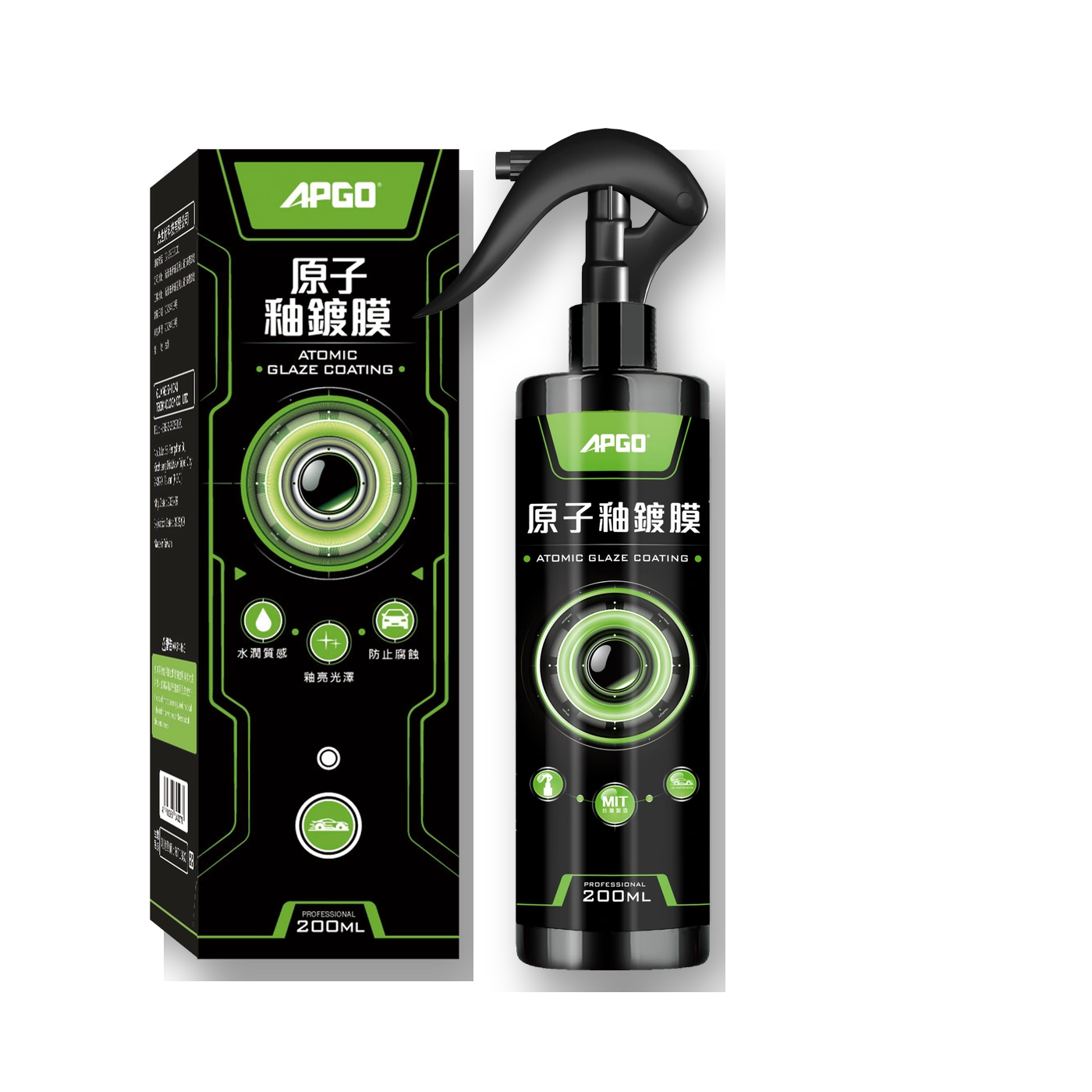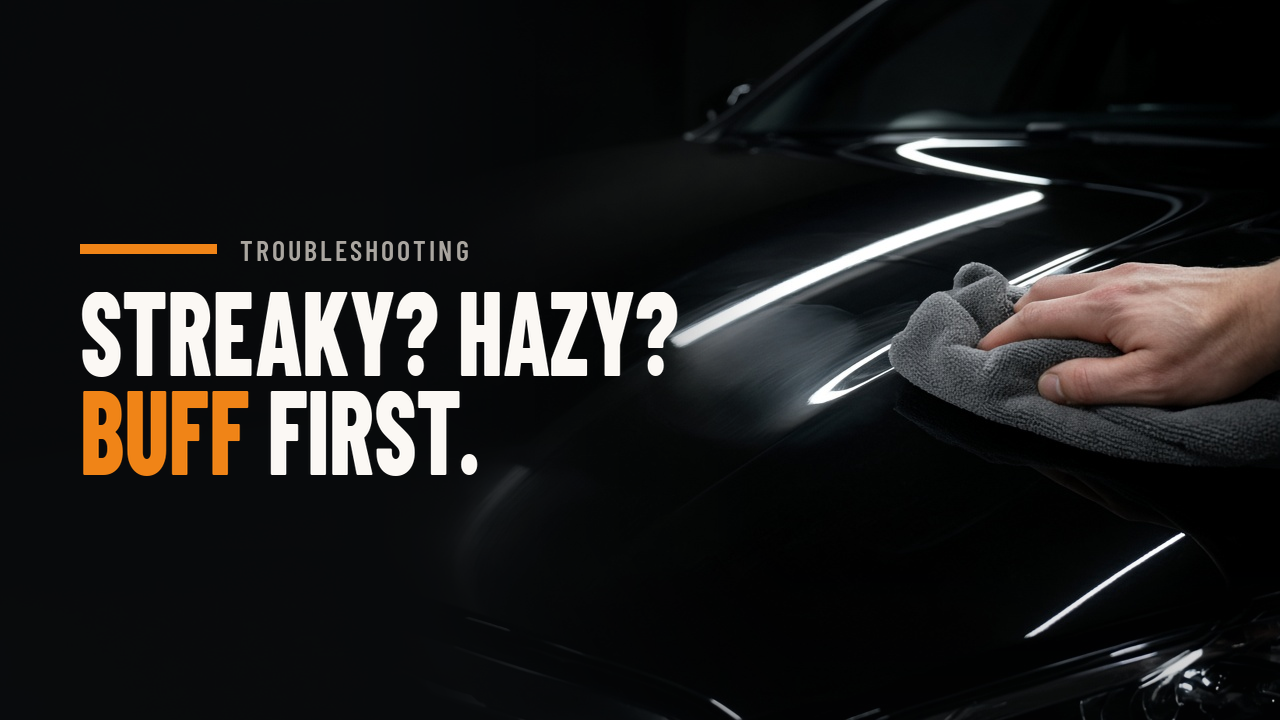
APGO Atomic Glaze Coating is applied after washing, while the paint is still wet. The routine is: wash and rinse, spray onto the wet paint, spread with a damp application cloth, towel-dry the car, then buff with a coral-fleece microfiber towel. Applying on wet paint saves you the separate drying step before application—it doesn't skip the drying or the final buff.
1. What you need
Three cloths do three different jobs. Keeping them separate is most of what makes this routine work.
- —APGO Atomic Glaze Coating, 200 mL / 6.8 fl oz
- 01A damp application cloth — for spreading the product evenly over the wet paint.
- 02A clean drying towel suitable for car paint — for towel-drying the water off the car.
- 03A clean coral-fleece microfiber towel — for the final buff, after the car is dry.
2. Before you start
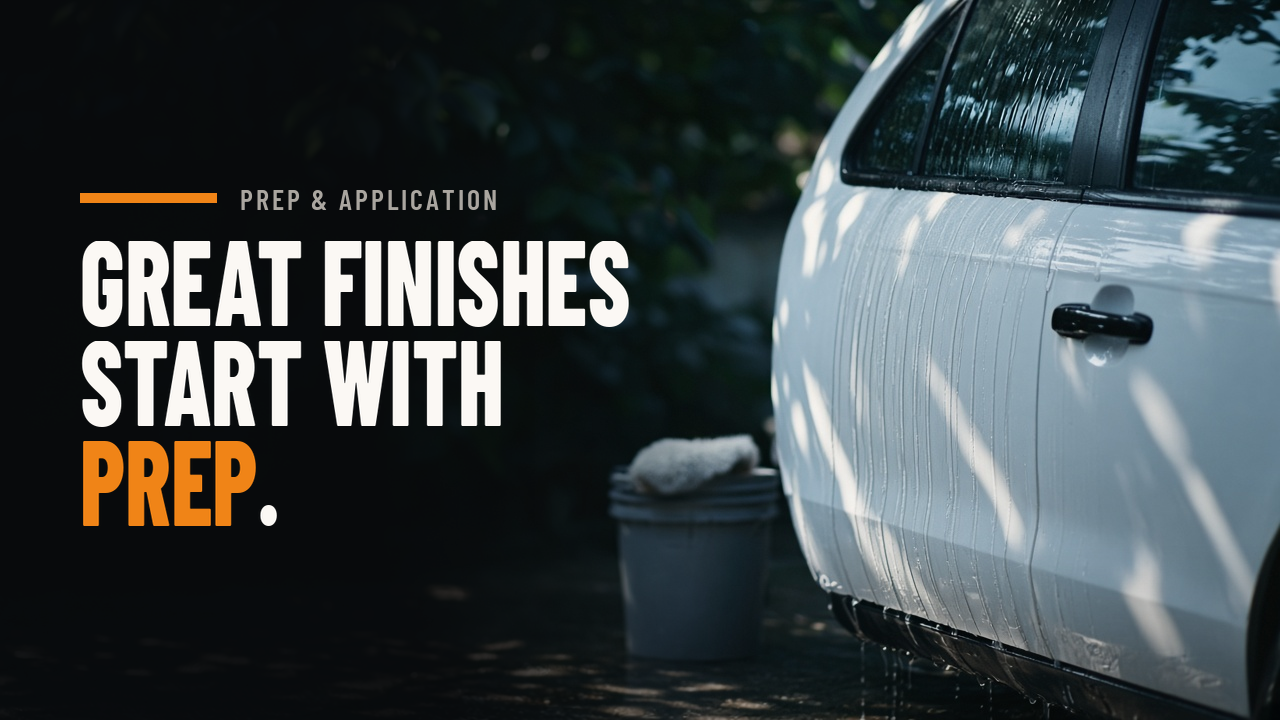
Wash the car and rinse off all the soap. Check that there's no grit, sand, or dirt left on the paint before you touch it with a cloth—anything still on the surface can be dragged across the paint while you spread, dry, or buff. Your application cloth and both towels should be clean, too.
"Wet" means freshly washed and rinsed. It doesn't mean spraying onto a car that's wet from rain or still has dust on it.
Unlike Atomic Colored Glaze, you don't dry the whole car before applying. Leave the rinse water on the paint and go straight to application.
3. Where you can use it
Atomic Glaze Coating is for painted body panels and wraps.
4. The application routine
Five steps, three cloths. The tool changes at each step, so it's worth reading through once before you start.
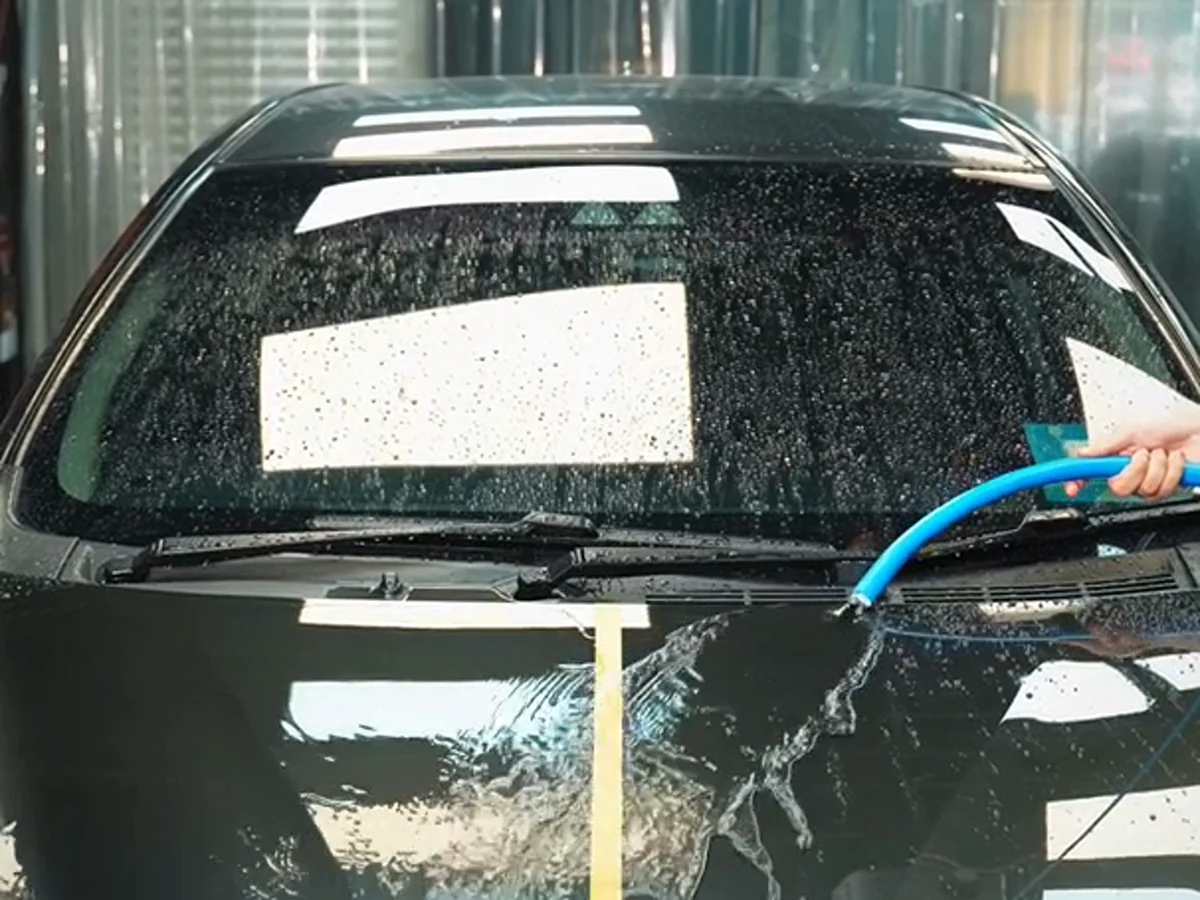
Wash the car as usual and rinse all the soap off. Leave the water on the paint—don't dry it yet.
Spray Atomic Glaze Coating onto the clean, still-wet paint, working one section at a time.
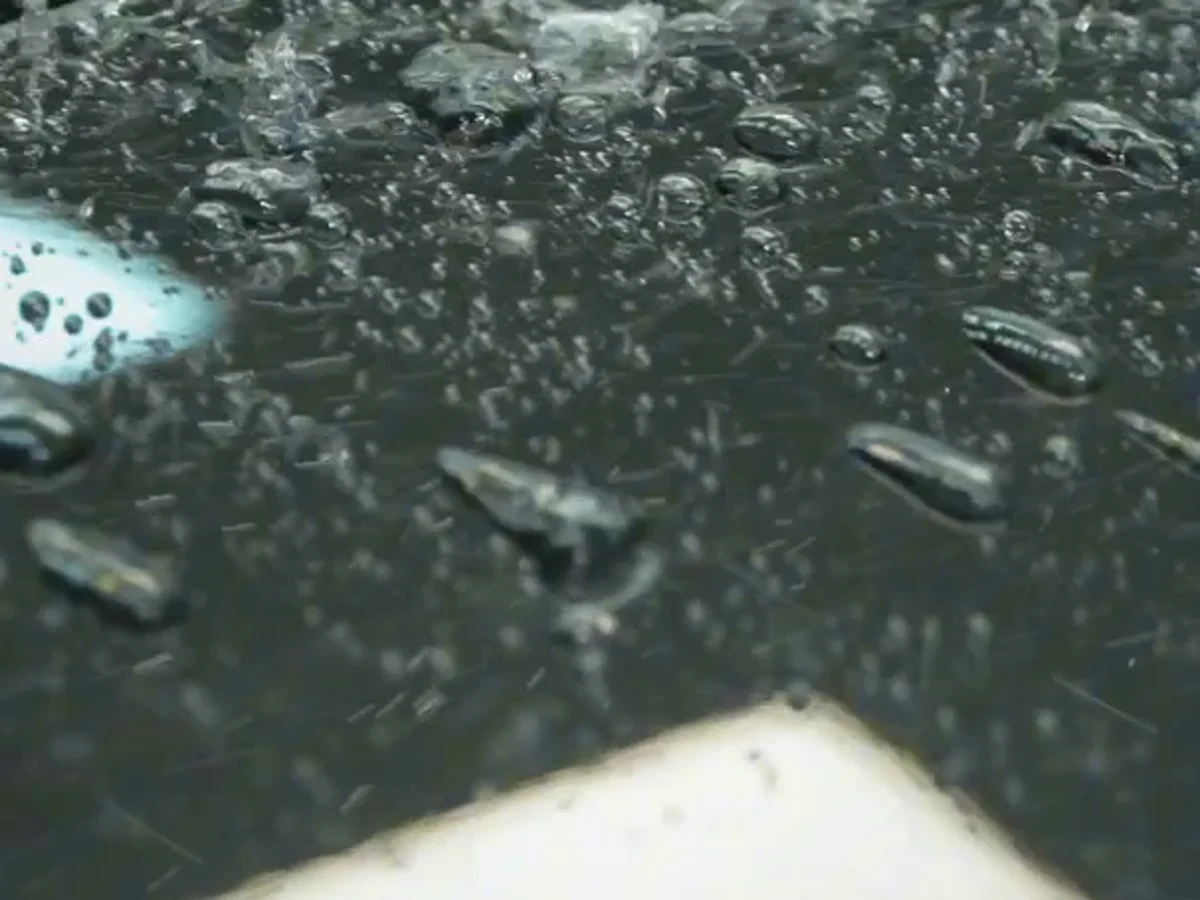
Spread the product evenly across the section with the damp application cloth. This is the application cloth's only job—don't use the drying towel here.
Switch to the drying towel and dry the water off the car. You're not done yet—there's one more step.
With the car dry, buff the paint with the clean coral-fleece microfiber towel. That's the finish.
5. Common mistakes
- Starting before the car is actually clean
- Wash and rinse first. Grit left on the paint gets dragged around by every cloth that follows.
- Treating "wet" as "any wet car"
- Wet means freshly washed and rinsed—not rained on, not dusty. Wash first, then apply.
- Mixing up the three cloths
- Damp application cloth to spread, drying towel to dry, coral-fleece towel to buff. Each does one job.
- Stopping after drying
- Towel-drying isn't the finish. Buff with the coral-fleece towel once the car is dry.
- Following the Colored Glaze routine
- Colored Glaze is applied to dry paint. Glaze Coating is applied to wet paint and has its own steps—don't carry the dry-paint routine over.
6. FAQ
Should the car be wet or dry before application?
Wet. Apply Atomic Glaze Coating right after washing and rinsing, while the paint is still wet. Don't dry the car first.
Should the application cloth be damp?
Yes. Use a damp application cloth to spread the product over the wet paint.
Do I still need to dry the car?
Yes. After spreading, towel-dry the car with a clean drying towel. Applying on wet paint doesn't remove the drying step—it just moves it after application.
Do I need to buff after drying?
Yes. Once the car is dry, buff with a clean coral-fleece microfiber towel. This is the final step.
What's the difference between the application, drying, and buffing cloths?
The damp application cloth spreads the product. The drying towel removes water from the car. The coral-fleece towel buffs the dry paint at the end. Keep them separate.
How does this routine differ from Atomic Colored Glaze?
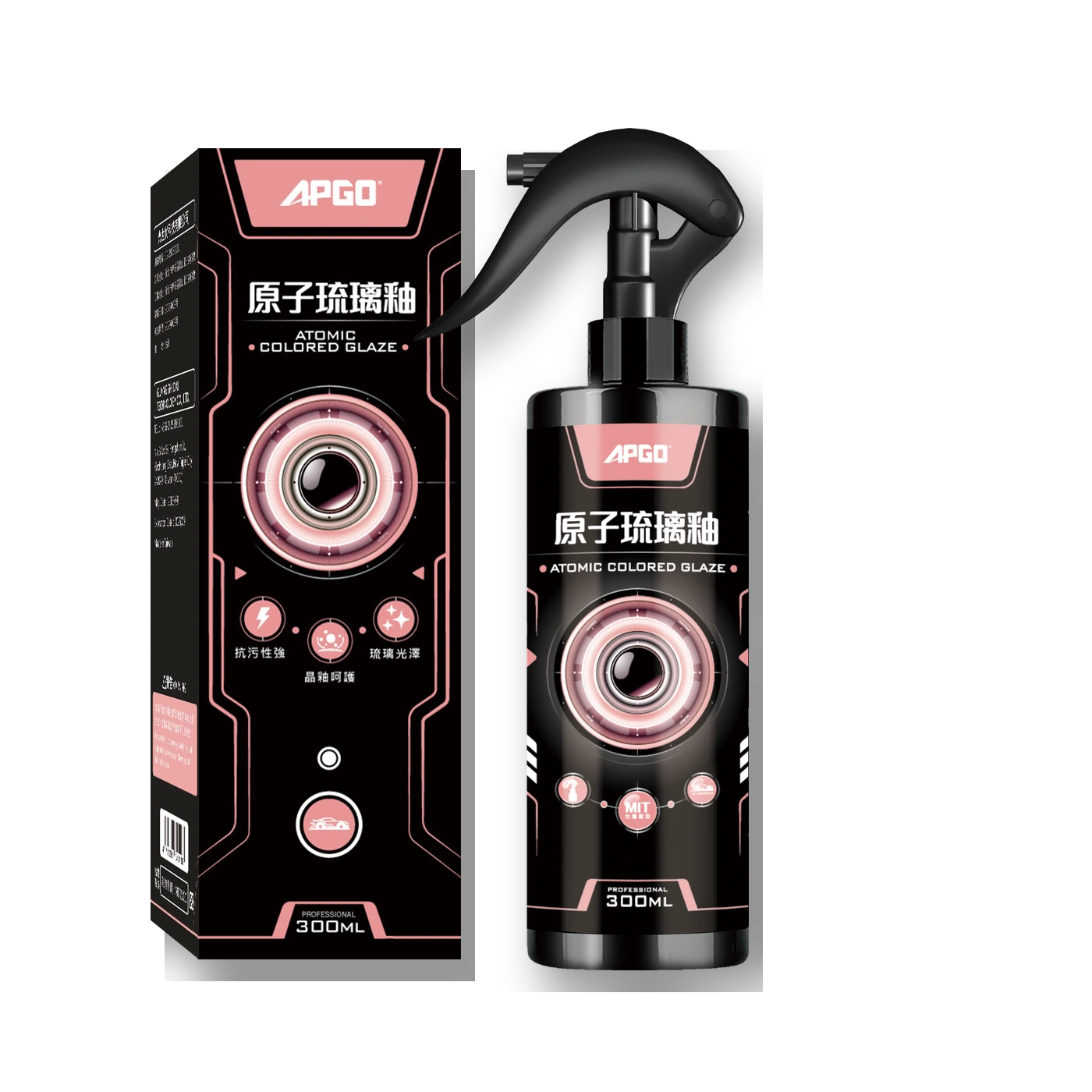
Colored Glaze goes on completely dry paint as its own step after the car is dried. Glaze Coating goes on wet paint straight after rinsing, then you dry and buff. Each product has its own guide—follow the one for the product you're using.
7. Product details and related guides
Atomic Glaze Coating is 200 mL / 6.8 fl oz and is applied to wet paint. If you'd rather dry the car completely first and do a dedicated finish afterward, APGO's dry-surface product, Atomic Colored Glaze, has its own routine and guide. The instructions on this page are for Glaze Coating only.
DRYHow to apply APGO Atomic Colored GlazeGuide · 6 min readThis guide is written by APGO about an APGO product. Use only as directed and follow the current product label. Product details, availability, and ordering will be shown on the product page when the product is available in the US.