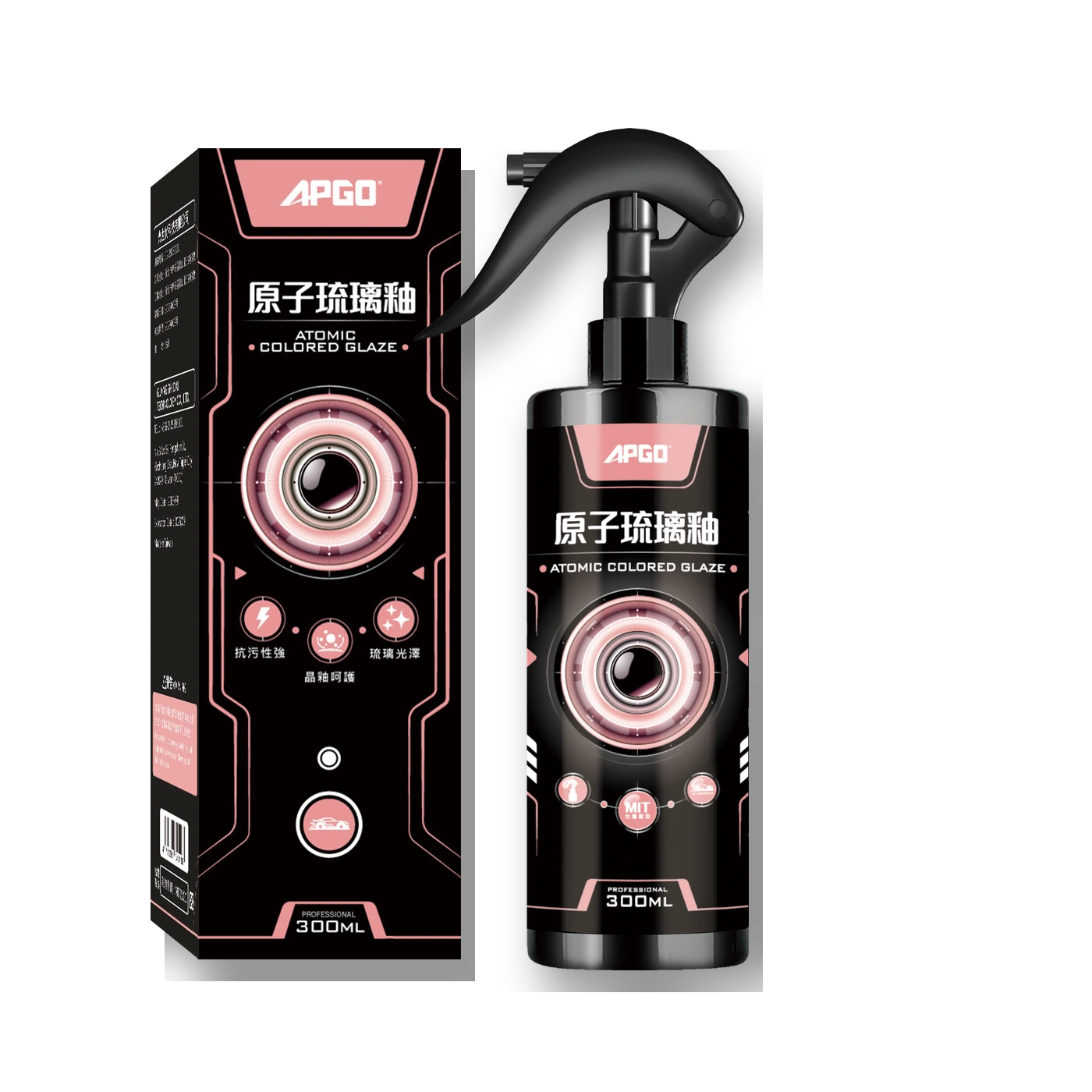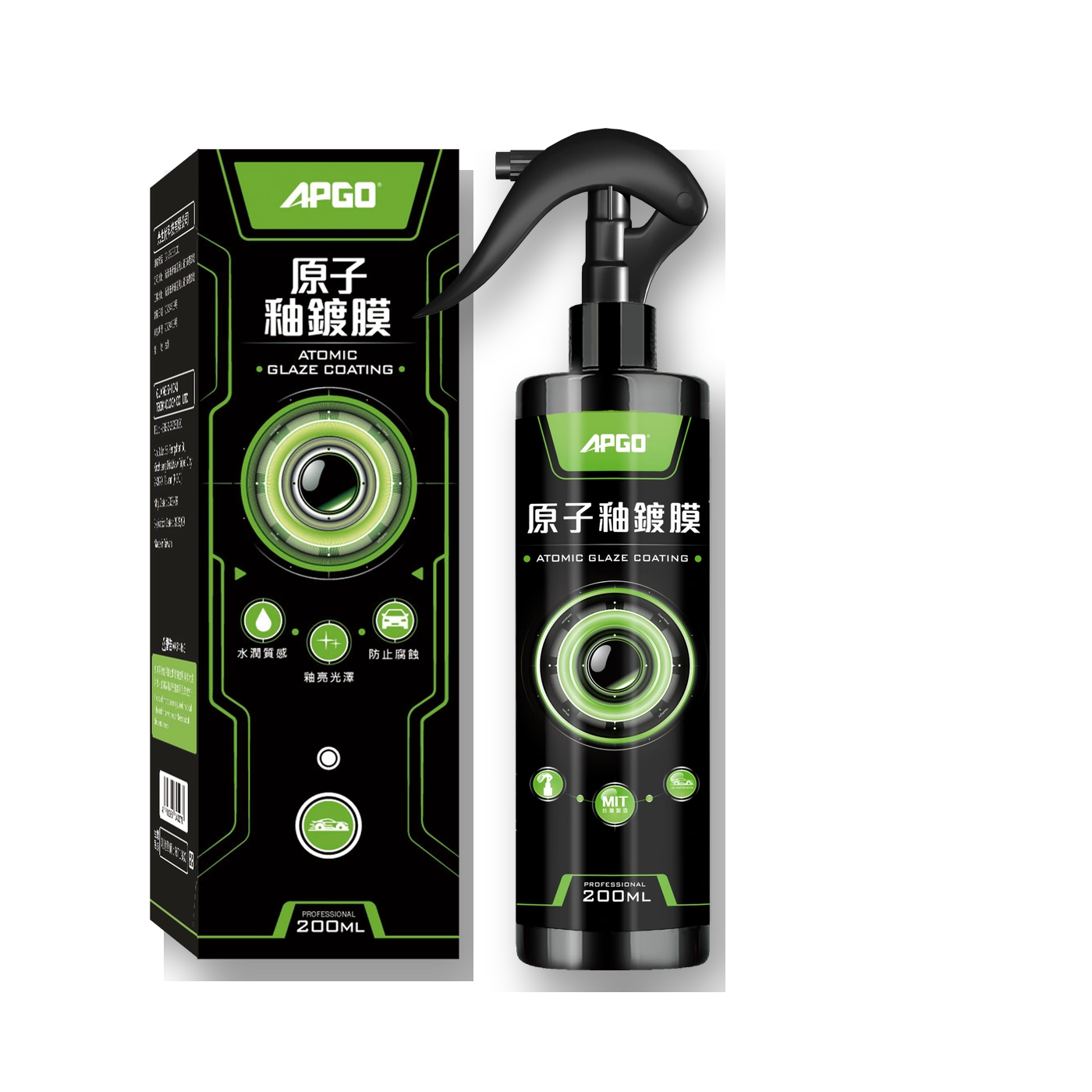
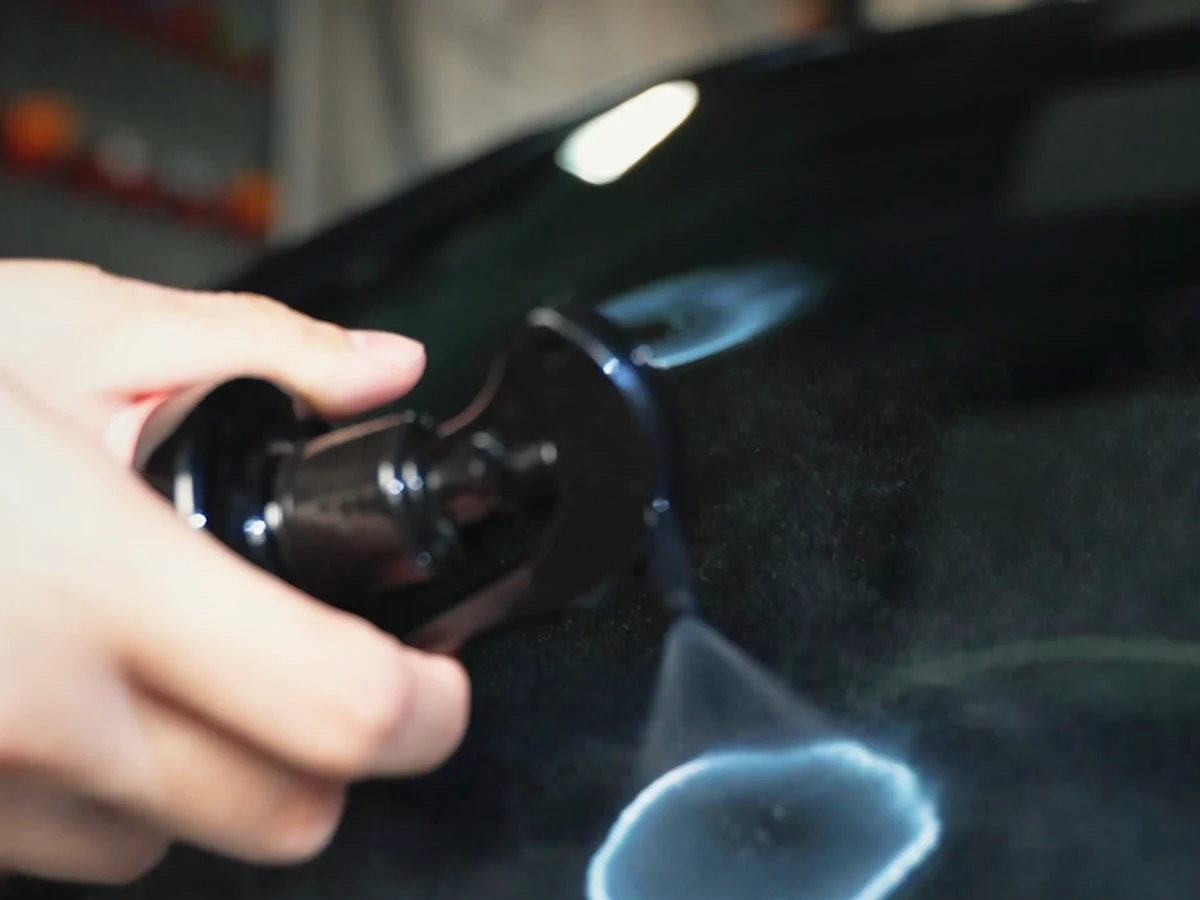
Atomic Colored Glaze goes on clean, completely dry paint. Atomic Glaze Coating goes on clean paint that is still wet after rinsing. Both routines finish with buffing.
If you prefer to dry the car completely before applying a product, choose the dry-surface routine. If you prefer to apply your product between rinsing and drying, choose the wet-surface routine.
Compare the two routines
The bottle size does not tell you how many applications you will get. This comparison does not assume equal product usage per vehicle.
Choose Atomic Colored Glaze if you prefer to apply after drying
Atomic Colored Glaze keeps product application separate from drying the car.
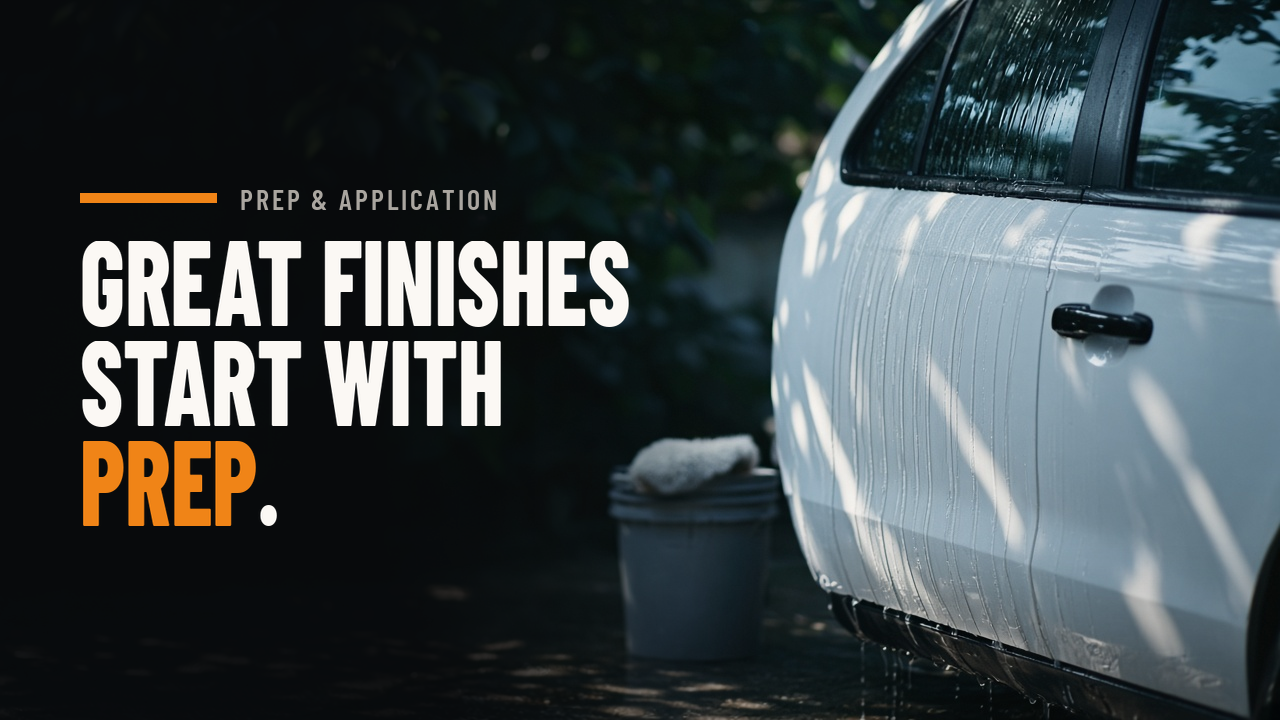
Wash and rinse the vehicle, then dry it completely. Make sure the paint is free from grit and dirt before you begin spreading or buffing.
Apply a small amount to a section of paint and spread it evenly. Continue section by section. You can buff after spreading each section, or—for a more efficient workflow—finish spreading across the car before buffing.
Less is more
Using more product is not the goal. A white haze during application indicates that you have applied too much; it is not a sign of a stronger protective layer.
For best results, APGO recommends keeping the car dry for 24 hours after application and buffing. If it rains during that period, APGO's practical experience is that a visible difference is usually difficult to notice. You can reapply a thin amount after your next wash, once the car is clean and completely dry.
Choose Atomic Glaze Coating if you prefer to apply before drying
Atomic Glaze Coating fits between the rinse and drying stages of your wash.
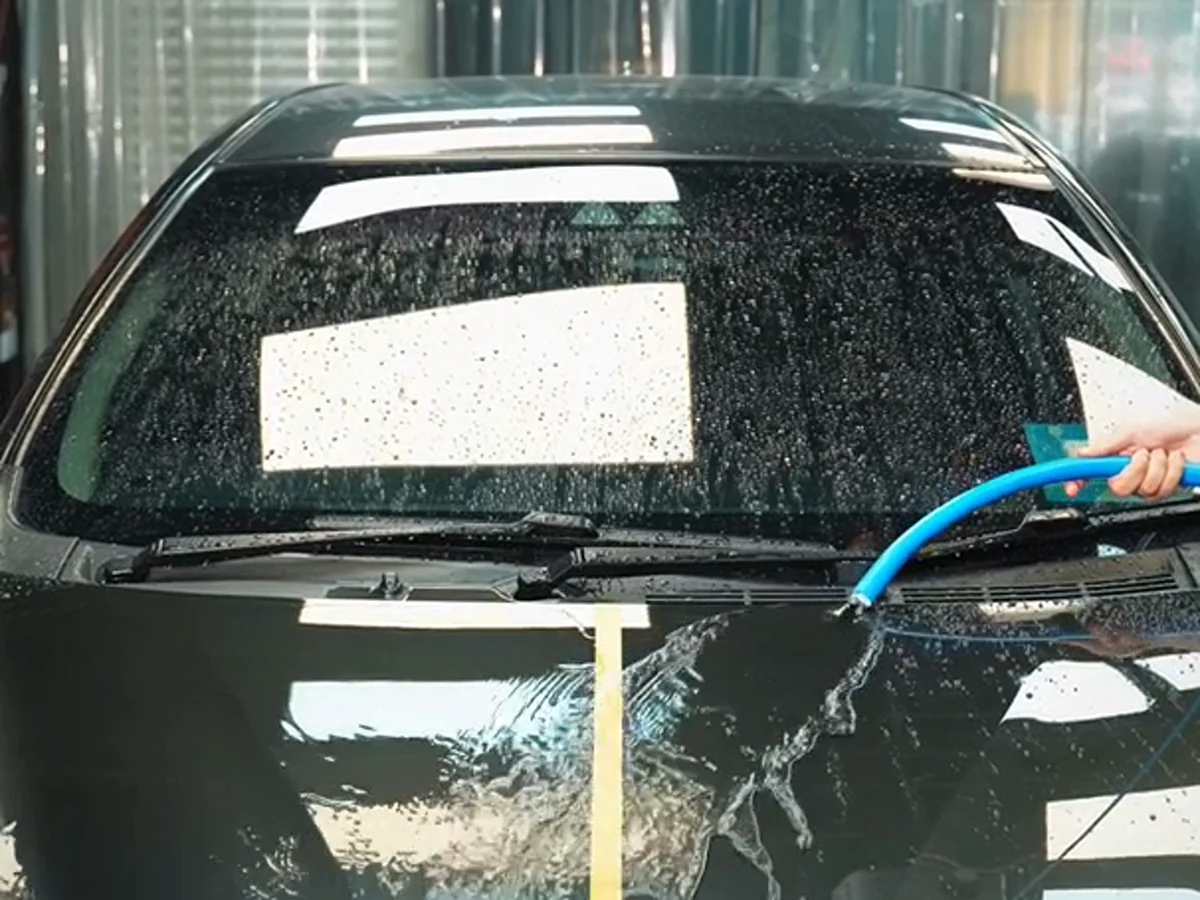
Wash the vehicle and rinse away the shampoo. While the clean paint is still wet, spray the product and spread it evenly with a damp application cloth.
Next, use a drying towel to remove the water. Finish by buffing with a separate, clean coral-fleece microfiber towel.
Wet application still includes a final buff
"Apply while wet" describes the condition of the paint when you start. It does not mean spraying onto a dirty, rain-wet car, rinsing the product off, or skipping the final buff.
Read the Atomic Glaze Coating application guideGuide · 5 min readPrepare the right cloths
Both routines involve three separate jobs:
- —Drying: removing water from the vehicle.
- —Spreading: distributing the product with an application cloth.
- —Buffing: completing the finish with a clean coral-fleece microfiber towel.
With Atomic Colored Glaze, you dry the vehicle before applying the product. With Atomic Glaze Coating, you dry it after spreading the product.
Keep your cloths clean and their roles separate. Check the selected product offer for included accessories; do not assume every preparation item comes with the bottle.
Where you can use them
Both products can be used on paint and wraps. Atomic Colored Glaze can also be used on glass and wheels. For trim or any other surface, check the current label or contact APGO before use.
Frequently asked questions
Do both products need buffing?
Yes. Atomic Colored Glaze is buffed after spreading. Atomic Glaze Coating is spread on wet paint, followed by towel-drying and a final buff.
Should I use both during the same wash?
These are presented as alternative application routines, not a two-product layering system. Contact APGO before combining them.
Can I use them over wax or another coating?
APGO does not recommend applying Atomic Colored Glaze over an existing wax layer. Do not assume that guidance for one product applies to the other, or that either product is compatible with every wax, sealant, or coating. Check the current product directions and contact APGO about your existing surface treatment before applying.
Can I use them on trim, wheels, and glass?
It depends on the product. Atomic Colored Glaze can be used on paint, wraps, glass, and wheels; on the front windshield, remove any oil film first. Atomic Glaze Coating is for paint and wraps. For trim or any other surface, check the current label or contact APGO.
Does "wet application" mean I can skip washing?
No. Atomic Glaze Coating is applied after the vehicle has been washed and the shampoo rinsed away. Wet paint still needs to be clean paint.
This guide is published by APGO about APGO products. Follow the current directions for the specific product you are using.